Ask most tourists about Rome's neighborhoods and they'll mention Trastevere, maybe the area around the Vatican, perhaps the Spanish Steps. But there's one district that locals have quietly loved for generations — a place where the real, unpolished character of Rome still breathes through cobblestoned alleyways and ivy-draped facades. Welcome to Rione Monti, the oldest residential neighborhood in the Eternal City.
Rome's Original Neighborhood
Rione Monti — officially Rione I — holds the distinction of being Rome's first rione, a designation that dates back to the division of the city under Emperor Augustus in the 1st century BC. The name comes from the "monti" (hills) it encompasses, including parts of the Esquiline, Viminal, and Quirinal hills. For most of its history, Monti was a working-class neighborhood, home to artisans, craftspeople, and families who lived in the shadow of ancient ruins without giving them a second thought. That everyday relationship with the ancient is part of what makes Monti so compelling — here, a 2,000-year-old wall might serve as the side of a wine bar.
Streets That Tell Stories
Walking through Monti feels different from the rest of central Rome. The streets are narrower. The buildings lean in a little closer. Laundry hangs from windows above artisan leather workshops and vintage clothing stores. Via del Boschetto, Via Panisperna, and Via dei Serpenti form the neighborhood's main arteries, each lined with independent boutiques, hole-in-the-wall trattorias, and bars that haven't changed their espresso recipe in decades. You'll find hand-painted ceramics, bespoke jewelry, and restored mid-century furniture — all made or curated by people who live right upstairs.
Piazza della Madonna dei Monti
The heart of the neighborhood is this small, unassuming piazza centered around a late-Renaissance fountain designed by Giacomo della Porta in 1588. On any given evening, you'll find Romans — not tourists — sitting on the fountain's steps with a bottle of wine and a slice of pizza bianca from the shop around the corner. This is where the neighborhood gathers, where friendships are renewed after long summers, and where our twilight walking tour begins each evening. There's no better place to feel the pulse of authentic Roman life before setting off to explore the ancient city at golden hour.
Start your evening in Monti
Our twilight walk begins right here in Piazza della Madonna dei Monti before winding through the Colosseum, Trajan's Column, and Capitoline Hill at sunset. Join the twilight walk →
Where the Locals Eat and Drink
Monti is a neighborhood that rewards the curious. For morning coffee, skip the tourist traps near Termini and head to one of the small bars on Via dei Serpenti — order an espresso at the counter like the Romans do. For lunch, the trattorias along Via Panisperna serve classic Roman pastas (cacio e pepe, amatriciana, carbonara) at prices that won't empty your wallet. In the evening, the wine bars along Via del Boschetto fill up with a mix of young Romans and in-the-know visitors. La Bottega del Caffe on the main piazza is perfect for people-watching, while Ai Tre Scalini is the neighborhood's beloved institution for aperitivo.
The Perfect Starting Point
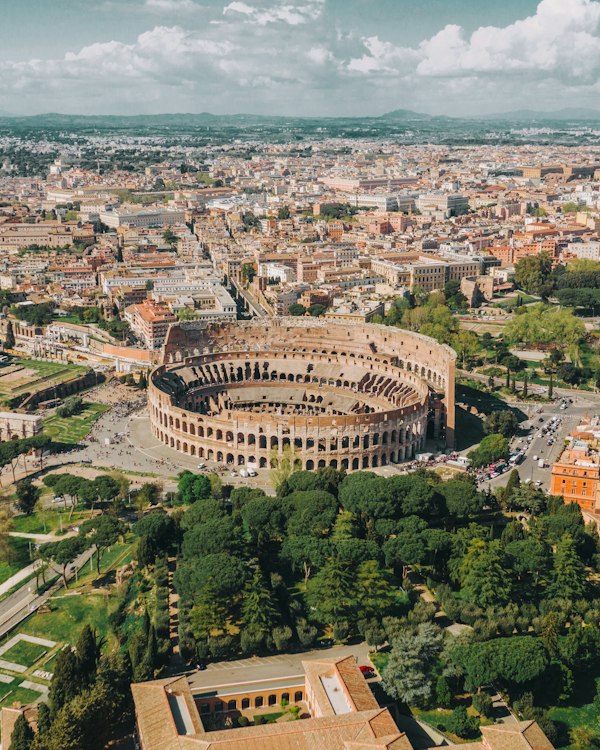
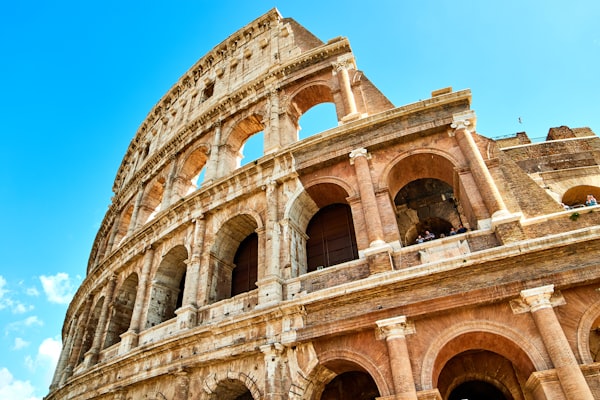
There's a reason our evening tour meets in the heart of Monti. The neighborhood sits at the foot of the ancient city — the Colosseum is a five-minute walk south, the Imperial Forums are just down the hill, and Trajan's Market overlooks the district from above. But more than geography, Monti sets the right tone. Before diving into the monumental ruins, you experience the Rome that still lives and breathes. You see how Romans interact with their city's ancient layers every day. You understand that Rome isn't a museum — it's a living city that happens to be very, very old.
From Working-Class to Bohemian
Over the past few decades, Monti has undergone a quiet transformation. As rents in Trastevere skyrocketed and the historic center became increasingly dominated by tourist businesses, artists, designers, and young entrepreneurs migrated to Monti. The neighborhood absorbed them without losing its character. Old-timers still sit outside their doorways in the afternoon. The butcher on Via dei Serpenti still knows every customer by name. But now, between the traditional shops, you'll find concept stores, natural wine bars, and independent galleries. The result is a neighborhood that feels both timeless and contemporary — a place where a grandmother buying vegetables and a designer scouting vintage fabrics share the same morning market.
If you only have time for one neighborhood beyond the major sights, make it Monti. Come in the late afternoon, wander the streets without a map, grab a seat at the fountain, and watch Rome being Rome. Then join us for the twilight walk — and let the ancient city reveal itself in the last light of day.